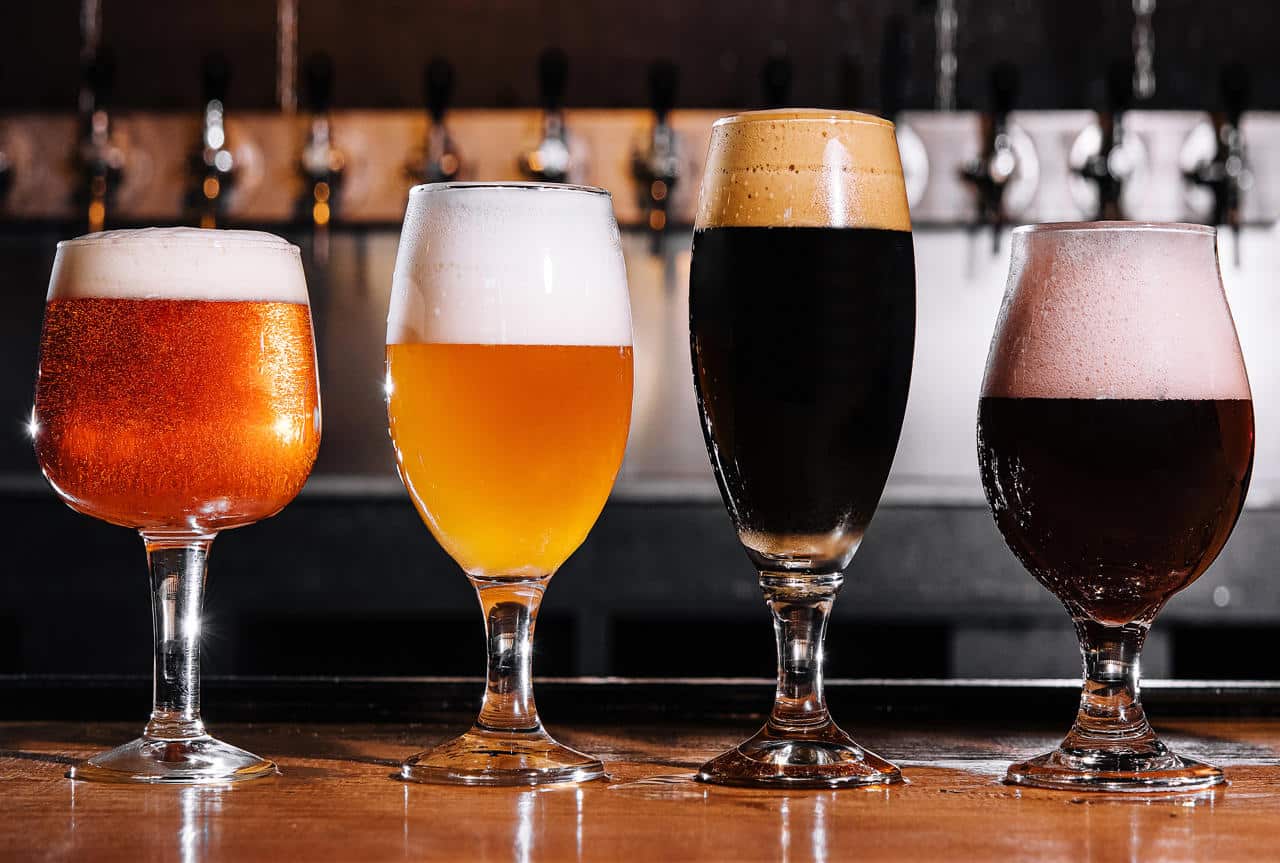
Seattle has a brewing scene that earns its reputation not through hype, but through consistency, creativity, and a deep-rooted culture that treats craft beer as seriously as the city treats its coffee. From neighborhood taprooms to sprawling production facilities, the Pacific Northwest’s biggest city has carved out a distinct identity in the American craft beer world. Here’s what actually sets it apart.
Local producers work with advantages most regions simply don’t have. About three hours east, the Yakima Valley produces roughly 75% of the hops used in the U.S. That proximity matters. Instead of relying on hops that have been stored and shipped across the country, many local breweries get access to fresher batches and small experimental lots.
You can taste that difference. Fresh-hop IPAs brewed in early fall often come across sharper and more aromatic: bright citrus at first, followed by a dry, slightly resinous finish that doesn’t linger too heavily.
Other regional factors shape the beer:
This isn’t just a talking point about ingredients. It’s why beers here often feel more precise: nothing overly harsh, nothing muddy.
Washington State consistently ranks among the top five states for craft brewery density in the U.S. Seattle itself hosts well over 100 taprooms within the city limits and its immediate surroundings, a figure that would have seemed absurd two decades ago.
What’s more notable than the volume is the survival rate. Many of them have operated for 20+ years. Pike Brewing opened in 1989. Elysian Brewing launched in 1996. Georgetown Brewing, which now ranks among the best-selling craft breweries on the West Coast, has been running since 2002. These aren’t legacy brands coasting on nostalgia; they keep iterating, expanding taprooms, and releasing new seasonal lines that people actually seek out.
Few cities have managed to cluster their craft scene into a walkable, identifiable zone the way Seattle has. The Seattle Brewery District, centered around Ballard, brings together production breweries, taprooms, and bottle shops in a way that functions more like a food and drink destination than a simple industrial corridor.
Stoup Brewing anchors much of the activity, but it shares the neighborhood with Reuben’s Brews and several rotating pop-up concepts. The district draws locals on weekday afternoons and guests on brewery tours on weekends.
What makes this model work:
If you go mid-afternoon, it’s easier to find space and talk to staff about what’s new. Evenings bring more energy, especially on weekends.
Beer and food pairings aren’t an afterthought here. Seattle breweries with food programs have raised the standard nationally, moving well past the predictable “pretzel and cheese” menu. Fremont Brewing’s taproom integrates with a full kitchen. Stoup Brewing partners with food trucks that rotate seasonally. Several Ballard-area taprooms maintain menus that match what you’d expect from a mid-range restaurant.
This matters because it changes who shows up and how long they stay. Families, non-drinkers, and people who want a solid meal with good beer are all part of the taproom ecosystem. It also builds loyalty in a way that a pint-only model doesn’t.
The city played a defining role in establishing the West Coast IPA, that dry, resinous, aggressively hopped style that became a benchmark for American craft beer in the 2000s. But it didn’t stop there.
Current trends in the city include:
The experimentation feels grounded. The tendency here is to test new styles while maintaining flagship offerings, which keeps both the curious and the loyal coming back.
Seattle’s craft community doesn’t just talk about values; it builds them into operations. Several breweries run formal programs around:
This integration with the broader community creates a kind of social infrastructure that’s hard to replicate purely through product quality. People aren’t just customers; they feel a sense of ownership over their local taproom.
The U.S. craft beer map has expanded dramatically. Other cities have strong claims to brewing relevance. But Seattle holds its ground for a specific combination of reasons: access to ingredients, serious food programs, and a track record of stylistic influence.
Whether you’re plotting a weekend visit or just trying to understand why the Pacific Northwest keeps showing up at the top of craft beer rankings, the answer is pretty straightforward: the ingredients are exceptional, the brewers are obsessive, and the culture treats good beer as a baseline expectation.