Seattle’s cruise port runs two very different terminals, Bell Street at Pier 66 and Smith Cove at Pier 91, a few miles apart. Cruise itineraries tend to just say Seattle, not which pier. Mixing them up is the easiest way to start a cruise on the wrong foot. The boarding documents settle it, since they list the exact pier.
Bell Street Cruise Terminal at Pier 66 sits on the downtown waterfront, the home port for Norwegian Cruise Line and Oceania Cruises. That location puts the closest hotels in Belltown and the blocks just off the water, close enough that guests can skip a car.
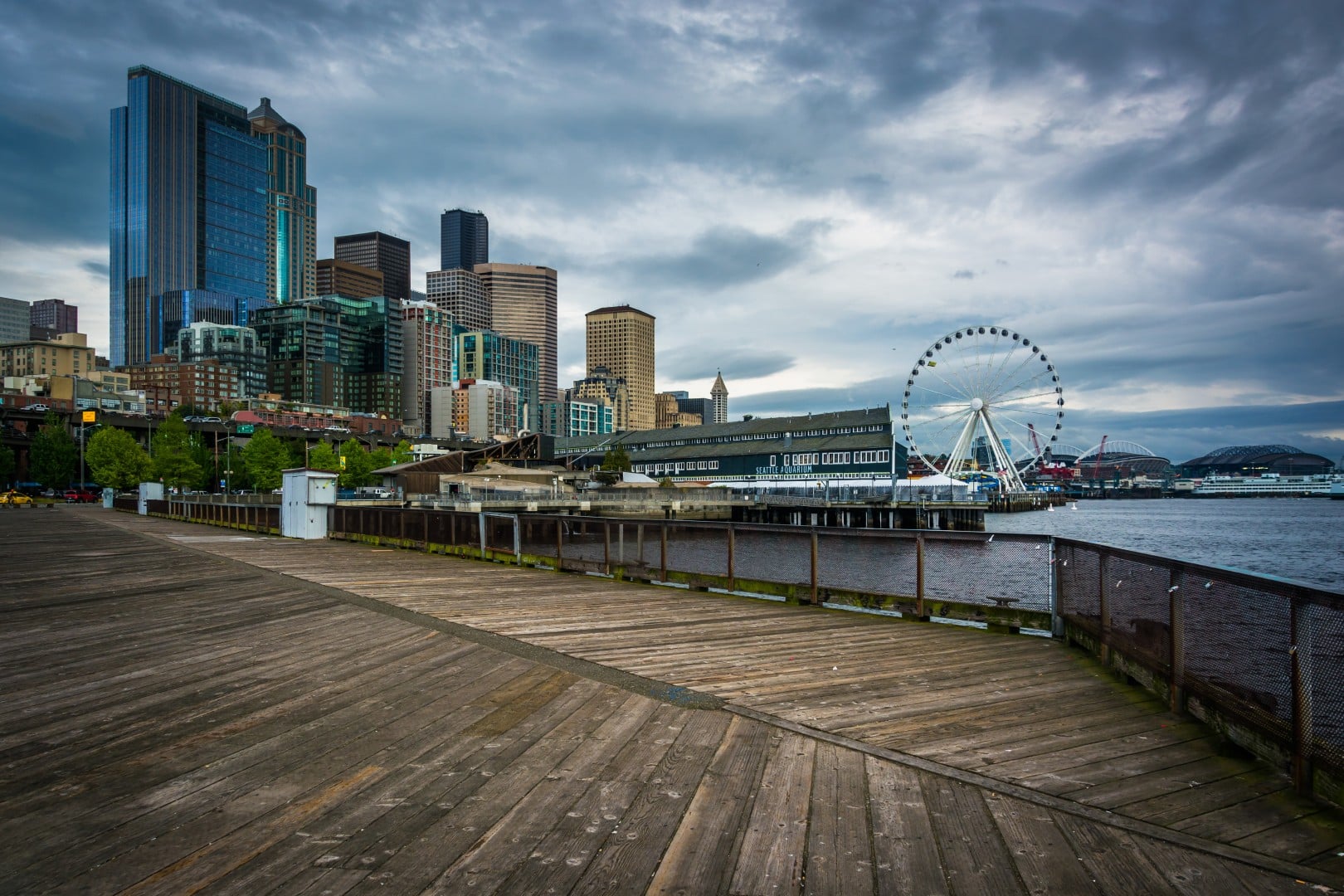
That same proximity puts Pike Place Market roughly half a mile from the terminal, with the Seattle Aquarium even closer. A passenger with a later arrival time and no checked bags can grab coffee, wander the market stalls, and still make it back.
Checked bags change that math fast. Two checked bags, a carry-on, and a toddler can turn that same walk into a real production.
Curbside works differently for cars, too. A security officer manages the curb lane on Alaskan Way, waving cars through the ground transportation lot at the entrance.
A couple of details matter for the bag logistics:
Smith Cove Cruise Terminal at Pier 91 sits inside Interbay, closer to Magnolia than downtown. Two 1,200-foot berths let it serve full-size ships and a longer roster of cruise lines than Pier 66.
Carnival, Celebrity, Cunard, Holland America, MSC Cruises, Princess, Royal Caribbean, and Virgin Voyages are among the lines that sail from here. Line-ups shift between seasons, and Cunard sails from both piers on different dates, so the boarding pass still has the final word.
The city center lies more than three miles off, farther than most passengers would attempt on foot with suitcases. The terminal marks separate curb zones for taxis, private cars, and app-based rideshare, all near the entrance. A free shuttle covers the short stretch from the parking lot for anyone who parked instead of booking a car.
A few practical details help with the decision:
For anyone choosing a hotel, one in the Uptown blocks near Queen Anne cuts down the morning drive. The nearest worthwhile sightseeing stops, the Space Needle and Seattle Center, are about 10 minutes from Smith Cove by the Port’s own estimate. That trades Pier 66’s short walk for a short drive.
Both terminals connect to the same Sea-Tac airport, and the first few miles match exactly. The difference shows up near downtown. The Bell Street terminal sits right on the central waterfront, while Smith Cove lies several miles north.
Port of Seattle guidance puts both drives around 30 to 40 minutes under normal traffic. The Sea-Tac-to-downtown drive can stretch well past that during weekday congestion or on a busy cruise-turnaround morning. That’s especially true on busy Saturdays, when Smith Cove’s two berths both book out and a third ship typically sails from Pier 66. A wider buffer helps on those mornings.
Buffer time isn’t just for the roads. Flying in the same day you sail carries more risk than a room booked the prior night. A room booked ahead removes flight delays from the list of things that can derail embarkation morning.
Once the terminal, the hotel, and the luggage side of things are settled, the morning breaks into four simple moves:
That’s the whole morning, so save the sightseeing for the day ahead of departure or the one after.
The return trip works a little differently. Most Seattle cruises disembark in the morning, leaving several open hours for passengers with a later flight or train. That window suits Pier 66 well, since the waterfront sits close enough for one last coffee run. It holds up just as well from Pier 91, where that same nearby stop is a short drive instead of a walk.
Those flying out same-day can look into Port Valet, a program that moves checked bags straight to participating airlines at Sea-Tac.
The pier number on your documents changes more than where the ship parks. That small detail, confirmed once, shapes the whole morning that follows, from breakfast to the walk up the gangway. Seattle gets the credit either way, but only one pier gets you there on time.